Exploring the Future of Student-Centered Learning in Academia
Introduction
As we move further into 2026, the landscape of academia is undergoing profound changes, particularly with a focus on student-centered learning approaches. This evolution is not just about technology or trends; it’s about reimagining the way education is delivered to foster a more engaging, inclusive, and effective learning environment. In this article, we will explore the key elements of student-centered learning, its benefits, challenges, and strategies for successful implementation in academia.
The Shift Towards Student-Centered Learning
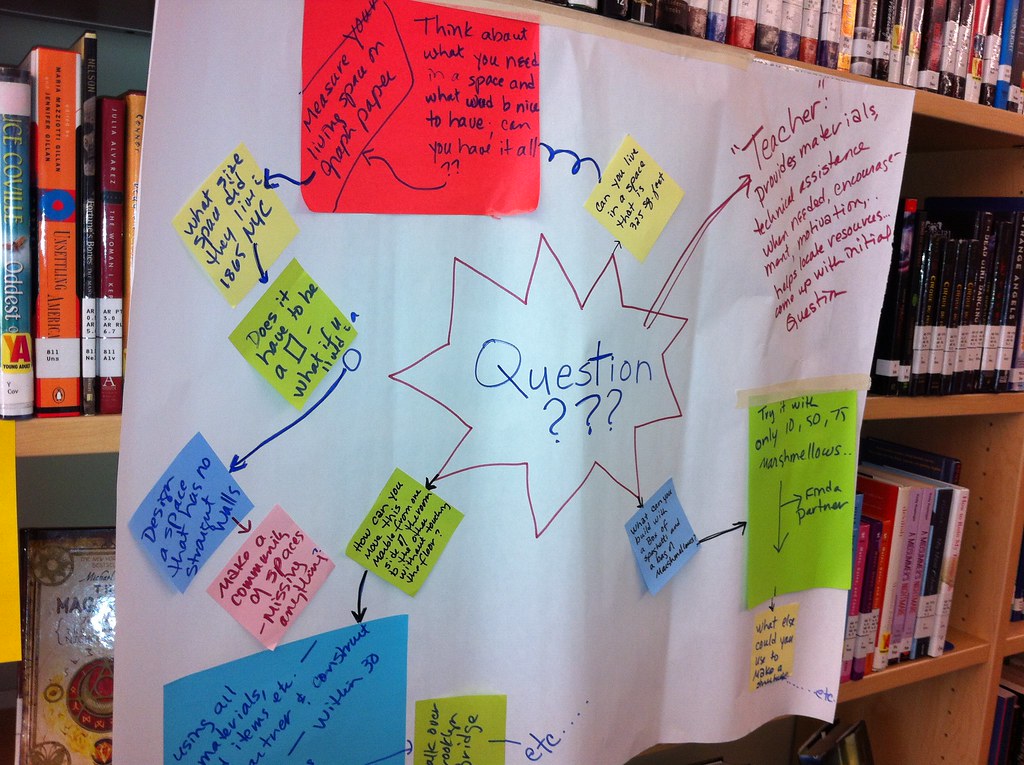
Traditionally, education has been teacher-centered, where the instructor is the primary source of knowledge, and students passively absorb information. However, the focus has shifted towards student-centered learning, which emphasizes the role of students in their own education. This transformative approach encourages students to take ownership of their learning experiences, fostering critical thinking, collaboration, and real-world application of knowledge.
Defining Student-Centered Learning
Student-centered learning is an educational framework that prioritizes the needs, interests, and learning styles of students. It includes a range of instructional practices aimed at active engagement, including:
- Collaborative Learning: Students work together in small groups to enhance understanding and retention of material.
- Project-Based Learning: Students engage in projects that challenge them to solve real-world problems.
- Differentiated Instruction: Adapting teaching methods to meet the diverse needs of students.
- Flexible Learning Environments: Creating physical and virtual spaces that cater to various learning styles and preferences.
Benefits of Student-Centered Learning
Implementing student-centered approaches can yield numerous benefits for students and educators alike:
- Enhanced Engagement: Students are more likely to be engaged when they have a say in their learning. This engagement leads to improved motivation and interest in the subject matter.
- Improved Critical Thinking Skills: By encouraging students to analyze, evaluate, and synthesize information, student-centered learning develops critical thinking skills essential for success beyond the classroom.
- Better Retention of Knowledge: Active participation in learning processes helps students retain information more effectively.
- Social Skills Development: Collaborative activities promote teamwork and communication, which are vital skills in today’s workforce.
Challenges to Implementation
Despite the advantages, transitioning to a student-centered learning environment poses challenges for educators and institutions:
- Resistance to Change: Some educators may be accustomed to traditional teaching methods and may resist adopting new practices.
- Resource Limitations: Implementing student-centered learning often requires additional resources, including training, materials, and technology.
- Assessment Difficulties: Standardized assessments may not effectively measure the outcomes of student-centered approaches, leading to concerns about accountability.
Strategies for Successful Implementation
To effectively implement student-centered learning in academia, consider the following strategies:
- Professional Development: Provide ongoing training for educators on student-centered techniques and best practices.
- Create a Supportive Culture: Foster an environment that encourages experimentation and collaboration among faculty.
- Incorporate Technology: Utilize digital tools that support interactive learning experiences, such as online discussion forums, collaborative platforms, and learning management systems.
- Engage Students in Assessment: Involve students in developing assessment criteria and self-reflection practices to enhance their learning process.
The Role of Technology in Student-Centered Learning
Technology plays a crucial role in facilitating student-centered learning. In 2026, advancements in educational technology continue to reshape how students interact with content and each other. Some key technological trends include:
- Adaptive Learning Platforms: These platforms adjust content and assessments based on individual student performance, allowing for personalized learning experiences.
- Virtual Reality (VR) and Augmented Reality (AR): These technologies provide immersive learning experiences that enhance understanding and engagement.
- Online Collaboration Tools: Platforms like Google Workspace and Microsoft Teams enable students to collaborate on projects, even remotely.
Conclusion
As we navigate the future of academia in 2026 and beyond, embracing student-centered learning is essential for creating an engaging and effective educational environment. By prioritizing the needs and interests of students, institutions can foster a culture of innovation, critical thinking, and collaboration. While challenges exist, the benefits of this approach far outweigh the difficulties, promising a more dynamic and inclusive academic landscape for future generations.