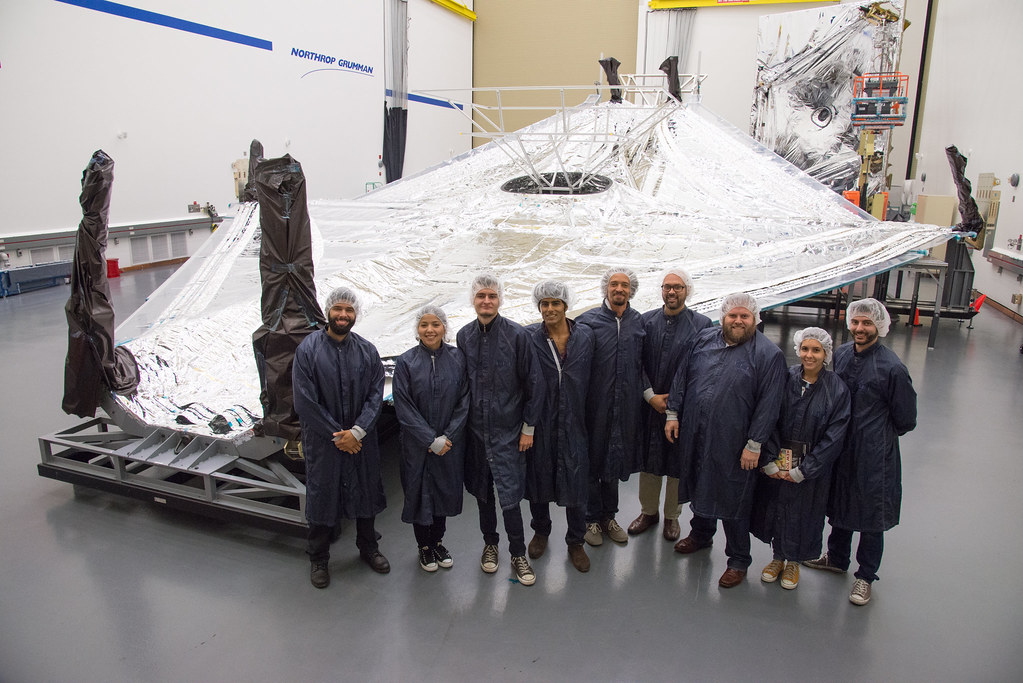
The Impact of Global Collaboration on Academic Excellence in 2026
The Changing Landscape of Global Collaboration in Academia
As we step into 2026, the world of academia is evolving rapidly, driven by globalization and the need for collaborative efforts across borders. In this interconnected age, academics are not just confined to their institutions; they are engaging with peers globally to enhance research, teaching, and learning.
Why Global Collaboration Matters
Global collaboration brings numerous benefits to academia, including:
- Diverse Perspectives: Collaborating with international colleagues allows for a richer exchange of ideas and methodologies, fostering innovation.
- Access to Resources: Sharing resources can lead to improved research outcomes and more significant funding opportunities.
- Enhanced Learning Experiences: Students gain exposure to varied academic standards and cultures, enriching their educational journey.
Trends Shaping Global Collaboration
Several trends are influencing the way academics collaborate around the world:
- Virtual Research Communities: Online platforms are making it easier for researchers from different countries to connect and share findings, regardless of geographical barriers.
- Joint Academic Programs: Many institutions are now offering joint degree programs that combine resources and expertise from multiple universities.
- International Conferences and Workshops: These events have become crucial for networking and discussing global issues, with virtual participation opening doors for many who couldn’t travel.
Building Effective Collaborative Networks
To succeed in the realm of global collaboration, it is essential to build effective networks. Here are some strategies:
- Engage in Collaborative Research: Seek out partnerships for research initiatives that align with global challenges.
- Utilize Technology: Leverage collaborative tools and platforms to facilitate communication and project management.
- Participate in Academic Exchange Programs: These programs provide valuable opportunities for educators and students to experience different academic environments.
Challenges in Global Academic Collaboration
Despite the benefits, there are challenges that often arise:
- Cultural Differences: Variations in academic culture can lead to misunderstandings; fostering open communication is crucial.
- Resource Allocation: Disparities in funding and resources between institutions may create imbalances in collaboration.
- Time Zone Differences: Coordinating schedules can be tricky when working with teams spread across different time zones.
Future Outlook: Global Collaboration in Academia
Looking ahead, the future of global collaboration in academia seems promising. As institutions recognize the importance of working together, we can expect:
- Increased Funding Initiatives: Governments and organizations are likely to invest more in collaborative projects that address global challenges.
- Enhanced Interdisciplinary Research: More institutions will focus on interdisciplinary collaborations, leading to innovative solutions.
- Stronger Policies on Academic Freedom: As collaborations grow, there will be a push for policies that support academic freedom and the sharing of knowledge across borders.
Conclusion
In conclusion, global collaboration is reshaping the academic landscape in 2026. By engaging with peers across the globe, educators and researchers can enhance their work, contribute to significant advancements, and prepare students for a more interconnected world. The journey is filled with challenges, but the rewards are far-reaching and vital for academic excellence.