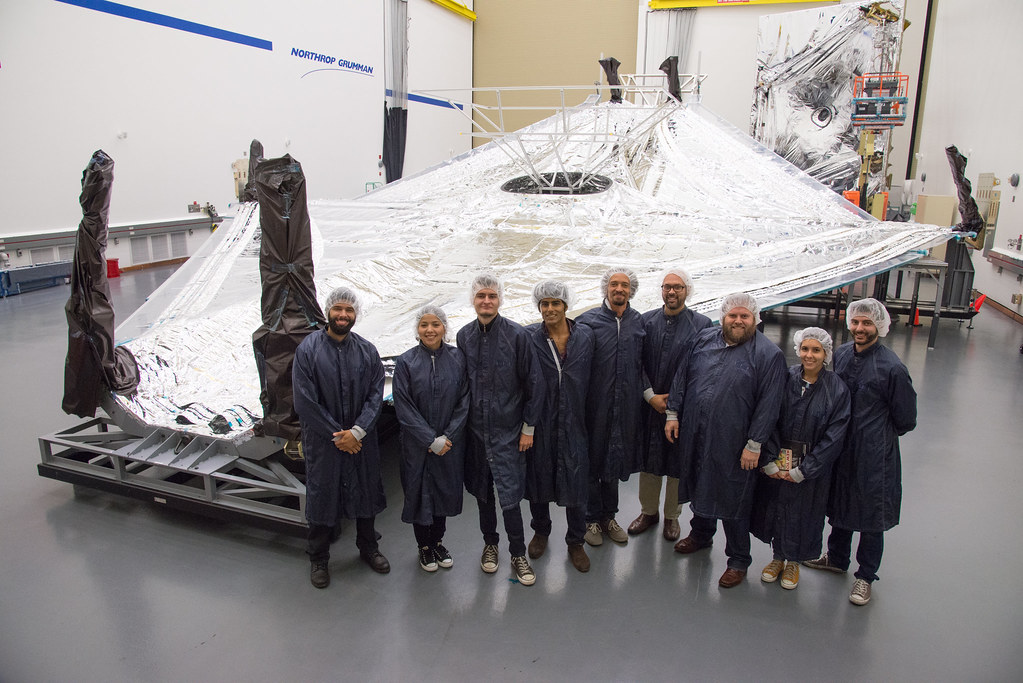
Redefining Mentorship in Academia: Cultivating Future Leaders in 2026
Introduction to Modern Mentorship in Academia
In the dynamic landscape of academia, mentorship has evolved significantly over the years. As we advance into 2026, the traditional model of mentorship, often characterized by a one-way transfer of knowledge from senior to junior members, is being redefined. This change is driven by the need for adaptability, inclusivity, and the recognition of diverse learning styles among students and young researchers.
The Changing Role of Mentors
Mentors today are expected to embody a multitude of roles, transitioning from mere advisors to transformative coaches. This shift is fundamentally reshaping how mentorship is perceived and implemented in academic settings. In this new paradigm, mentors are not only facilitators of knowledge but also partners in the professional and personal development of their mentees.
1. Building Authentic Relationships
Effective mentorship begins with trust and mutual respect. Modern mentors focus on building authentic relationships where both parties feel valued. This involves:
- Active Listening: Mentors dedicate time to listen to their mentees’ aspirations, challenges, and feedback.
- Open Communication: Encouraging transparent discussions creates a nurturing environment.
- Empathy and Support: Recognizing individual struggles and celebrating victories fosters a supportive mentorship culture.
2. Collaborative Learning Environments
In 2026, the concept of collaborative learning is at the forefront of academic mentorship. Mentors guide mentees through co-learning experiences where:
- Shared Goals: Both mentors and mentees work towards common academic and professional objectives.
- Joint Projects: Collaborating on research or presentations enhances skill development and reinforces teamwork.
- Peer Mentorship: Encouraging mentees to mentor their peers creates a cyclical learning model.
Leveraging Technology for Mentorship
The integration of technology has become a game-changer in academic mentorship. Digital platforms are facilitating connections beyond geographical constraints, allowing mentors and mentees to collaborate seamlessly.
1. Virtual Networking Platforms
Online networks and communities enable aspiring academics to connect with mentors around the globe. Features include: Also read: ajo89 for more insights.
- Webinars and Workshops: Providing accessible learning opportunities with industry experts.
- Discussion Forums: Creating spaces for sharing insights, questions, and advice.
- Social Media Groups: Utilizing platforms like LinkedIn for professional development and networking.
2. Digital Mentorship Tools
Tools such as mentorship apps and project management software can enhance the mentorship experience by:
- Goal Tracking: Helping both mentors and mentees set, track, and achieve their objectives.
- Feedback Mechanisms: Encouraging regular updates and constructive feedback on progress.
- Resource Sharing: Allowing easy access to articles, research papers, and other educational materials.
The Importance of Diversity in Mentorship
Diversity in mentorship is essential for fostering a more inclusive academic environment. A diverse mentoring relationship brings a wealth of perspectives that enrich both parties’ experiences.
1. Embracing Different Backgrounds
Mentors from various backgrounds can provide unique insights and experiences that help mentees navigate their paths more effectively. This includes:
- Cultural Competence: Understanding and respecting cultural differences enhances communication and learning.
- Sharing Unique Experiences: Diverse mentors can offer valuable lessons from their unique academic journeys.
- Broadened Perspectives: Exposure to different viewpoints fosters critical thinking and creativity.
2. Encouraging Underrepresented Voices
Promoting diversity in mentorship also entails actively supporting underrepresented groups in academia. This can be achieved by:
- Identifying Barriers: Recognizing and addressing obstacles faced by marginalized students and scholars.
- Creating Opportunities: Facilitating access to mentorship programs specifically designed for underrepresented groups.
- Championing Equity: Advocating for policies that promote fair representation within academic institutions.
Measuring the Impact of Mentorship
As we move forward, understanding the impact of mentorship in academia becomes increasingly important. Key metrics to consider include:
- Retention Rates: Monitoring how mentorship affects student retention and completion rates.
- Career Advancement: Evaluating the success of mentees in securing jobs or promotions post-mentorship.
- Satisfaction Surveys: Gathering feedback from both mentors and mentees to continuously improve mentorship programs.
Conclusion
The landscape of mentorship in academia is evolving. By fostering authentic relationships, leveraging technology, promoting diversity, and measuring impact, mentors can cultivate future leaders who are equipped to navigate the challenges of the academic world. As we embrace these changes in 2026, the potential for impactful mentorship is limitless, paving the way for a more inclusive and innovative academic environment.