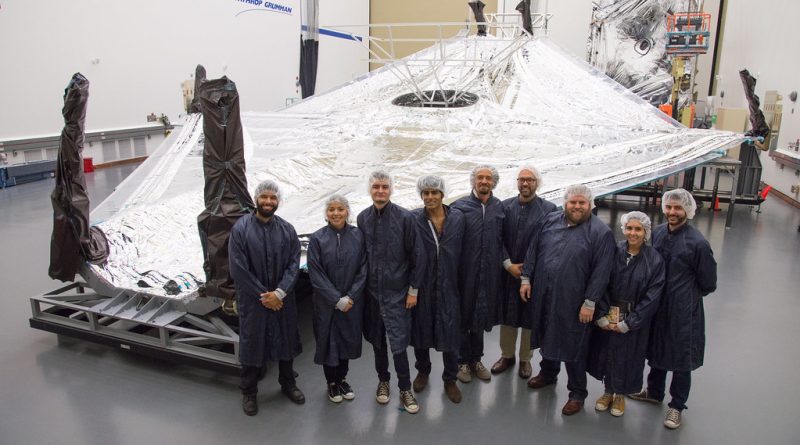
The Landscape of Academia in 2026
As we venture further into 2026, academia continues to evolve, shaped by technological advancements, societal changes, and a growing emphasis on diversity and inclusivity. The traditional models of education are giving way to innovative approaches that prioritize engagement, accessibility, and real-world application. This article explores the key trends that are reshaping the academic environment and offers insights into how students and educators can thrive in this dynamic landscape.
1. The Rise of Hybrid Learning Models
One of the most significant shifts in academia is the incorporation of hybrid learning models. These models blend traditional in-person classes with online learning, providing students with flexibility and a personalized learning experience.
- Flexibility: Students can access course materials and lectures at their convenience, making it easier to balance studies with personal and professional commitments.
- Enhanced Engagement: Interactive online tools foster greater collaboration among students, encouraging active participation in discussions and group projects.
- Inclusivity: Hybrid models accommodate diverse learning styles and needs, allowing all students to thrive regardless of their circumstances.
2. Emphasis on Interdisciplinary Studies
In today’s complex world, many academic institutions are recognizing the importance of interdisciplinary studies. This approach encourages students to explore connections between different fields of study, fostering a holistic understanding of issues.
- Innovation: Interdisciplinary programs encourage creativity and innovation, as students draw insights from multiple areas to solve pressing challenges.
- Career Readiness: Employers increasingly seek graduates with diverse skill sets and the ability to think critically across various domains.
- Collaboration: Working with peers from different disciplines enhances teamwork and communication skills, which are vital in the modern workforce.
3. The Role of Artificial Intelligence in Education
Artificial Intelligence (AI) is revolutionizing how educators deliver content and assess student performance. In 2026, AI tools are more prominent in academic settings, providing personalized learning experiences.
- Adaptive Learning: AI systems can analyze student data to create customized learning paths that cater to individual strengths and weaknesses.
- Automation of Administrative Tasks: By automating grading and administrative processes, educators can focus more on teaching and mentoring students.
- Real-time Feedback: AI-enabled platforms offer immediate feedback to students, helping them to identify areas for improvement and promoting continuous learning.
4. A Shift Towards Mental Health Awareness
As academic pressure mounts, there is a growing recognition of the importance of mental health among students and faculty. Institutions are adopting comprehensive support systems to address this crucial aspect of academic life.
- Wellness Programs: Many universities are implementing wellness initiatives that promote mental and physical health, providing resources such as counseling and stress management workshops.
- Community Building: Encouraging social connections among students can reduce feelings of isolation and foster a supportive academic environment.
- Open Discussions: Creating an open dialogue about mental health helps to destigmatize these issues and encourages individuals to seek help when needed.
5. Global Collaboration and Connectivity
This year highlights the importance of global collaboration in academia. Institutions are increasingly partnering with international organizations and universities to broaden educational opportunities.
- Exchange Programs: Student exchange initiatives allow individuals to gain diverse perspectives and cultural experiences, enriching their academic journey.
- Joint Research Projects: Collaborative research fosters innovation and addresses global challenges by bringing together expertise from various fields and regions.
- Online Global Classrooms: Virtual classrooms facilitate learning from peers across the globe, promoting cross-cultural understanding and collaboration.
6. Fostering Diversity and Inclusion
Diversity and inclusion remain at the forefront of academic priorities in 2026. Institutions are actively working to create environments where all students feel valued and included.
- Recruitment Efforts: Universities are implementing targeted recruitment strategies to increase representation among faculty and students from diverse backgrounds.
- Cultural Competency: Curriculum development emphasizes cultural awareness and sensitivity, preparing students for a globalized workforce.
- Inclusive Policies: Policies that promote equity ensure that all students have access to resources and opportunities necessary for their success.
Conclusion
As we navigate the complexities of 2026, the academic landscape is poised for transformation. By embracing innovation, prioritizing mental health, and fostering diversity, educational institutions can create an environment where students not only succeed academically but also thrive personally. The future of academia is bright, and with an adaptive mindset, both educators and students can flourish in this ever-changing world.